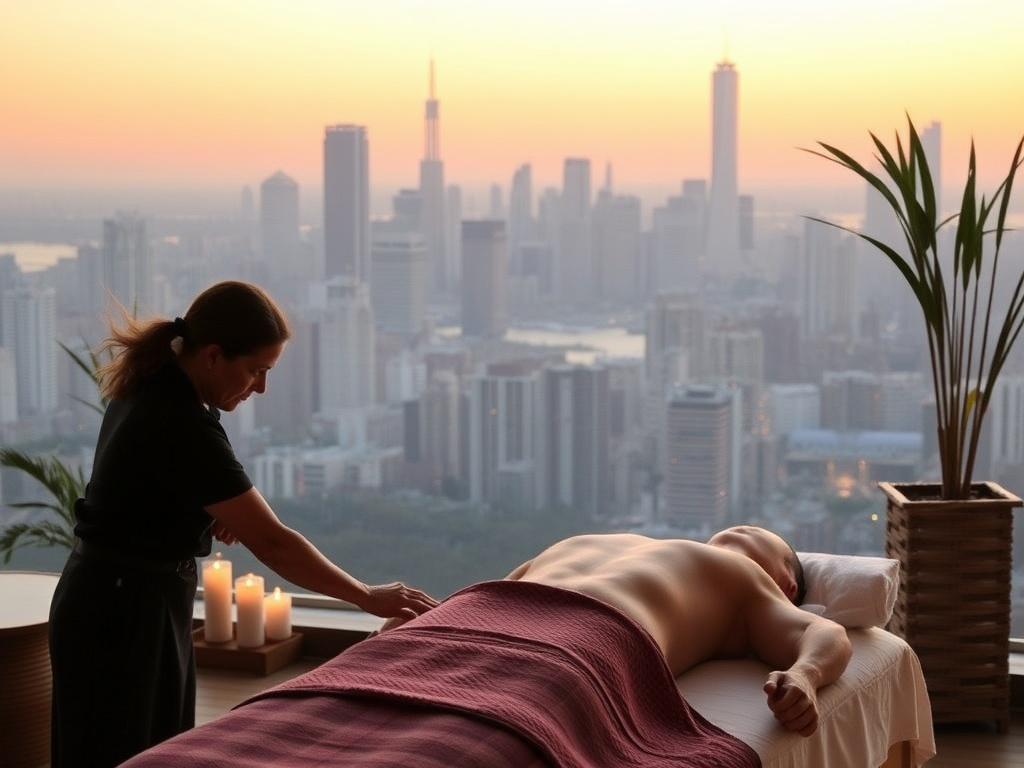

Thai massage in New York City has become more than a weekend indulgence — for many it’s a way to reset after a week of crowded subways, desk hours, and city noise. This guide walks you through what Thai massage is, how it differs from other bodywork, and practical advice for finding a skilled practitioner in the five boroughs. Read on and you’ll know what to expect, how to prepare, and how to spot a good studio.
What is Thai massage and how is it different?
Thai massage, or Nuad Thai, traces its roots to ancient practices blending Ayurvedic concepts, Buddhist meditative techniques, and physical therapy-like stretching. Unlike typical Western massage, which often focuses on oil, kneading, and the muscles, Thai massage uses rhythmic pressure, stretches, and leverage along energy pathways known as sen lines. Treatments are usually done on a mat or low table and you remain clothed in comfortable garments.
The experience feels part massage, part assisted yoga. A therapist may use hands, thumbs, elbows, forearms, knees, and feet to apply pressure and guide your body through passive stretches. That variety of tools and movement can reduce tension, improve mobility, and sometimes produce a surprising sense of lightness afterward. In NYC, therapists bring diverse training backgrounds, so expect variation in technique and intensity from studio to studio.
Common styles and specialties you’ll find in the city
New York’s Thai massage scene mixes tradition and modern adaptations. While some studios emphasize classical Nuad Boran, others combine Thai techniques with sports therapy, physical therapy principles, or aromatherapy. Understanding the style helps you match a session to your needs.
Traditional Nuad Boran
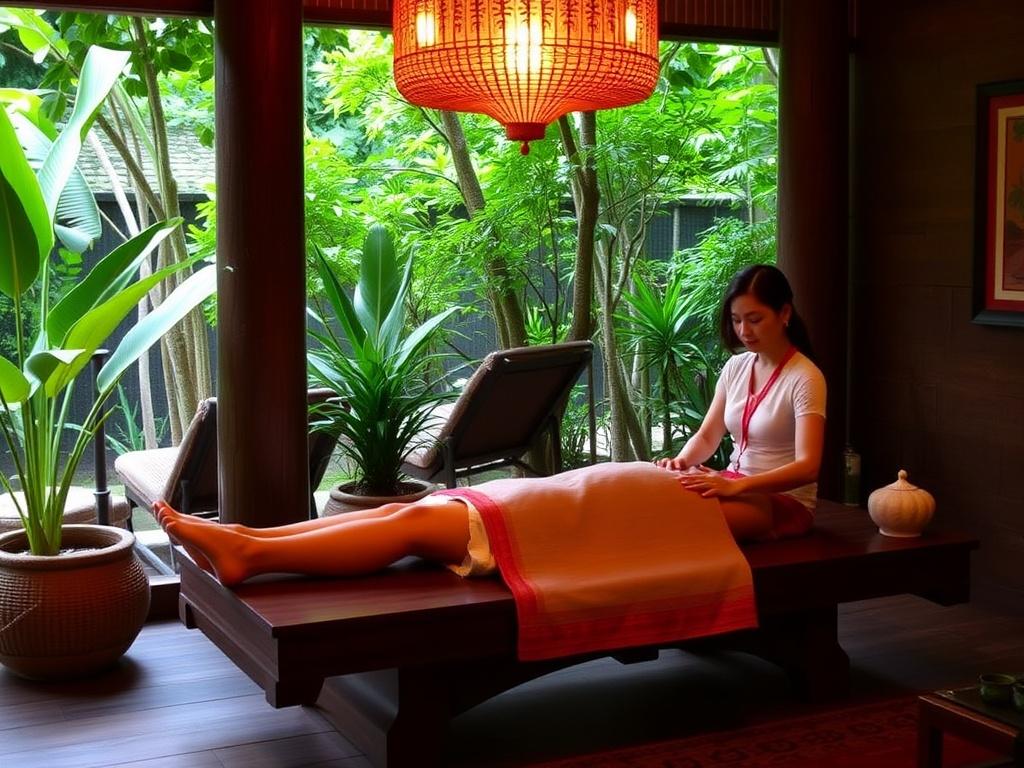
Traditional practitioners focus on energy line work, deep compressions, and full-body sequences of stretches. Sessions often follow a ritualized order that balances left and right sides and pays close attention to breath and rhythm. This style suits people who want a holistic, rhythmic session that works both muscles and mobility.
Thai yoga massage and dynamic stretching
Thai yoga massage leans into assisted stretching and mobility work. Therapists guide limbs through extended ranges of motion to open hips, shoulders, and the spine. Athletes and people with sedentary jobs often appreciate this type for its tangible improvements in flexibility and posture.
Therapeutic blends and modern approaches
Many NYC clinics blend Thai techniques with myofascial release, trigger-point therapy, or orthopedic assessments. These sessions tend to be more targeted: the therapist may begin with a short consultation, assess movement patterns, and design a session focused on pain relief or rehabilitation. If you have a specific injury or chronic issue, look for therapists who describe training in therapeutic Thai massage or sports massage.
Benefits and who should consider Thai massage
People seek Thai massage for a range of benefits: improved flexibility, reduced muscle tension, relief from headaches, better sleep, and a calmer nervous system. Because the work includes stretching and joint mobilization, it can also support recovery from stiffness caused by long hours at a desk or repetitive motion.
That said, not everyone is a candidate for every technique. Pregnant people, individuals with certain cardiovascular conditions, acute inflammatory issues, or recent fractures should consult a physician before booking. A reputable studio will ask about health history and suggest modifications or alternative approaches if needed.
What to expect during a session
When you arrive, expect a brief intake: a therapist will ask about your goals, pain points, and medical history. Classical Thai massage is performed fully clothed in loose, breathable clothes; studios often provide appropriate attire if you arrive in jeans or restrictive clothing. You’ll lie on a mat or low table, and the therapist will use a combination of compressions, stretches, and pressure along body lines.
Sessions vary in rhythm and pressure. Some therapists maintain a steady, rhythmic flow; others pause to work deeply on knots or restricted areas. Communicate your comfort level — whether you prefer gentle, moderate, or firm pressure — and the practitioner will adapt. After the session, take a few minutes before rising: your blood pressure and proprioception may be affected temporarily, so standing up slowly is wise.
- Typical session lengths: 60, 90, or 120 minutes.
- Wear loose clothing or accept studio-provided attire.
- Hydrate after the session and avoid strenuous activity immediately afterward.
How to choose a studio or therapist in NYC
With so many options, a few selection principles will steer you right. First, check credentials and training specifics: look for Thai-specific training, workshops with recognized teachers, or apprenticeships with established studios. Reviews matter, but read them critically; pay attention to comments about technique, professionalism, and cleanliness.
Second, ask about scope of practice. Some therapists are licensed massage therapists (LMTs) with formal clinical training; others may be certified but not hold a state license. Both can be excellent, but licensing indicates a baseline of standardized training and liability coverage. Third, look for clear intake procedures and informed consent: a good studio explains what will happen, asks about health conditions, and offers modifications.
Questions to ask before booking
Therapist availability and specialization are important, but also ask practical questions: Do they provide clothing? Can they adjust pressure for sensitive areas? Do they offer single-sex rooms or private suites? How do they handle cancellations and late arrivals? Clear answers reduce surprises on the day of your appointment.
Pricing, session formats, and what you get
Prices in NYC vary by neighborhood, studio reputation, and therapist experience. Below is a simple comparison to set expectations; local prices may differ, especially in Manhattan versus outer boroughs.
| Session Length | Typical Price Range (USD) | What’s Usually Included |
|---|---|---|
| 60 minutes | $70–$120 | Full-body flow or focused work on 2–3 areas |
| 90 minutes | $110–$180 | Full-body session with time for deeper work |
| 120 minutes | $160–$260 | Comprehensive session; ideal for chronic issues or deep relaxation |
Longer sessions allow a more measured pace and more time for targeted therapy. Consider trying a 90-minute session for an initial deep experience, especially if you want both stretching and focused release.
Etiquette, safety, and practical tips
Respectful communication makes the session better for everyone. If a technique causes pain beyond comfortable intensity, speak up; Thai techniques can be intense, but pain that sharpens or radiates differently from “good stretch” should be checked. Tip appropriately if the service was good — 15–25% is common in NYC — and follow studio cancellation policies.
Health-wise, disclose medications, blood clotting disorders, recent surgeries, or pregnancy. If you’re on blood thinners or have uncontrolled high blood pressure, ask your physician whether Thai massage is safe. Always prioritize a studio that maintains clean linens, clear hygiene practices, and professional intake procedures.
- Do: wear comfortable clothing, arrive a few minutes early, and communicate preferences.
- Don’t: eat a heavy meal immediately before your session or consume alcohol beforehand.
- Bring: any relevant medical notes and a list of symptoms if you seek therapeutic work.
Aftercare and maximizing benefits
Simple aftercare amplifies results. Drink water to help flush metabolic byproducts, and move gently for the rest of the day — a short walk usually helps. Incorporate light stretching later in the day, and consider scheduling follow-up sessions if you notice persistent tightness or mobility limitations. For chronic issues, a short course of sessions over several weeks often yields more sustainable improvement than a single appointment.
Neighborhoods and a short studio-selection guide
Thai massage options are abundant from Manhattan to Queens. Midtown and the East Village host many classical-style studios, while Brooklyn offers hybrid therapeutic clinics and small private practices. In neighborhoods with a high concentration of studios, competition keeps prices reasonable but also raises the need to vet quality carefully.
When choosing, factor convenience and vibe: do you prefer a quiet, spa-like environment or a functional clinic focused on therapeutic results? If you’re booking for the first time, read recent reviews, look for photos of the treatment space, and consider calling to ask about intake procedures. Personal fit — the therapist’s style, communication, and ability to adapt — matters as much as credentials.
Conclusion
Thai massage in NYC can be deeply restorative and practical for pain and mobility, but results depend on style, practitioner skill, and clear communication about goals and health history; start with a mid-length session, choose a studio that explains its approach, and treat the experience as both therapy and self-care for the long haul.