
If you’re searching for a body rub in South Jersey, you probably want a clear, reliable path: a place that’s professional, appropriately licensed, and comfortable. “Body rub” can mean different things depending on the business, so knowing what to look for will save you time and give you peace of mind. This guide cuts through the noise and shows how to find legitimate therapeutic services across towns like Atlantic City, Cape May, Cherry Hill and Vineland.
Below you’ll find practical guidance on types of treatments, how to verify credentials, what to expect during a session, safety and legal considerations in New Jersey, pricing benchmarks, and the red flags to watch for. Read the sections that matter, or work through the whole article for a complete picture.
What people mean by “body rub” in South Jersey
The term “body rub” is used by a variety of businesses, from day spas and wellness centers to independent licensed therapists. In many legitimate settings it’s simply a synonym for massage or therapeutic touch—Swedish, deep tissue, sports massage, reflexology, and similar services aimed at relaxation or physical recovery.
However, some establishments use the phrase ambiguously. In those cases, “body rub” can imply services that fall outside professional massage practice and may touch on illegal activity. That’s why distinguishing between licensed therapeutic services and businesses with unclear offerings is important when you’re making a choice.
How local context matters
South Jersey’s mix of shore towns, suburbs and small cities affects the available options. You’ll find high-end medical spas near coastal tourist areas, small private studios in suburbs, and chair massage pop-ups at corporate or community events. Local demand and regulations shape the market, so a place that looks polished online and displays clear licensing is usually a safer bet.
Ask what exactly they mean by “body rub” when you call. A straightforward description of the technique, session length, and therapist credentials is a good sign; evasive answers are not.
Common types of body rubs and their benefits
Knowing the differences between techniques helps you match a service to your goals—pain relief, relaxation, improved circulation, or recovery from athletic activity. Below is a simple breakdown of common therapies you’ll encounter in South Jersey.
| Type | Main goal | Typical session length | Typical price range (South Jersey) |
|---|---|---|---|
| Swedish Massage | Relaxation, improved circulation | 30–90 minutes | $60–$120 |
| Deep Tissue | Chronic muscle tension, injury recovery | 45–90 minutes | $75–$140 |
| Sports Massage | Pre/post athletic performance, recovery | 30–90 minutes | $70–$130 |
| Hot Stone | Muscle relaxation, stress relief | 60–90 minutes | $85–$150 |
| Reflexology | Foot/hand therapy, general wellness | 30–60 minutes | $40–$90 |
Prices can vary widely with facility quality, therapist experience, and location. Beach towns and resort spas tend to be at the higher end; neighborhood clinics and independent therapists often offer more moderate rates.
How to find reputable body rub services in South Jersey
Finding a good therapist or spa is mostly about verification and referrals. Start with the obvious: look for licensed therapists, transparent pricing, clear service descriptions, and professional reviews from multiple sources. Don’t rely on a single online listing or one vague ad.
Useful ways to search include local business directories, professional associations, social media pages with client comments, and recommendations from friends or healthcare providers. If you have a medical condition, ask your primary care physician or a physical therapist for referrals.
Verifying credentials
In New Jersey, massage and bodywork therapists should be licensed by the state. A legitimate practice will display a license number at the front desk and on its website, and therapists should be willing to provide their license information when asked. You can verify credentials through the state board (Division of Consumer Affairs) to ensure the license is current and in good standing.
Professional associations such as the American Massage Therapy Association (AMTA) and Associated Bodywork & Massage Professionals (ABMP) also list members and can be a quick way to find therapists who adhere to standards of practice and continuing education.
What to expect during a session and proper etiquette
A professional session typically begins with a short intake: medical history, current complaints, medications, areas to avoid, and the client’s pressure preference. This conversation protects your health and helps the therapist tailor the session. If you’re unsure about any detail, ask before the session begins.
Therapists will explain draping (how your body will be covered during massage), what to wear, and whether oils or lotions will be used. Most clinical or spa settings request you undress to your comfort level and provide a sheet or towel; therapists should maintain professionalism and appropriate draping throughout.
Practical etiquette tips
- Arrive 10–15 minutes early to complete intake forms and settle in.
- Communicate pressure preferences and stop if anything feels painful or inappropriate.
- Turn off your phone and avoid intense scents that can bother others.
- Tip according to local norms—typically 15–20% for good service unless included in the price.
Clear communication builds trust and makes the session more effective. If something doesn’t feel right, address it immediately or end the session and report the interaction to the facility manager.
Safety, health and legal considerations in New Jersey
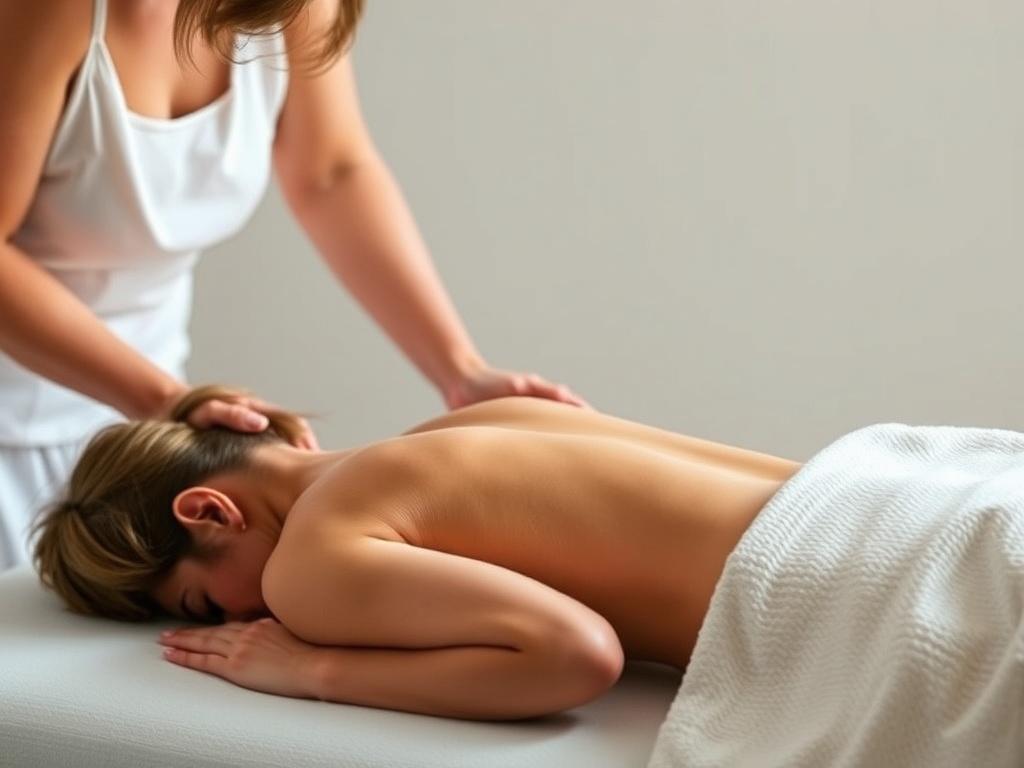
Health and legality are intertwined. Licensed massage therapists receive training in hygiene, contraindications, and client safety. If a therapist suggests activities outside a therapeutic scope—sex acts, nudity beyond therapeutic draping, or private rooms for non-therapeutic contact—that’s a red flag and may indicate illegal operations.
Prostitution and sexual services for money are illegal in New Jersey. If you encounter solicitations for sexual services, leave and consider notifying local authorities or the state board. For health safety, confirmed COVID-era practices like sanitizing rooms, washing linens between clients, and practitioner hand hygiene remain good indicators of professional standards.
Medical precautions
Disclose conditions such as pregnancy, cancer, cardiovascular issues, recent surgeries, or skin problems before booking. Certain techniques are contraindicated in specific medical situations, and a skilled therapist will modify the session or refer you back to a healthcare provider.
If you’re seeking treatment for an injury, consider asking for a therapist with experience in medical or sports massage, and bring any relevant physician or physical therapy notes.
Cost, booking strategies and what’s reasonable
Prices for a body rub in South Jersey depend on type, duration, and the facility’s market position. Expect a range rather than a fixed rule: neighborhood clinics and independent therapists usually undercut resort spas. Always check whether tax or gratuity is added.
To save money without sacrificing quality, consider weekday or midday appointments, which are often priced lower. Many therapists offer package deals or discounted initial sessions to attract new clients. Verify cancellation policies so you won’t be charged for last-minute changes.
Comparison checklist for booking
- License and displayed credentials
- Clear service list and prices
- Clean, professional facility photos or an in-person look
- Multiple positive reviews (not just one or two)
- Transparent cancellation and refund policies
Top questions to ask and red flags to watch
Before booking, a few direct questions will reveal a lot: Are your therapists licensed? What is included in the session? Do you have a privacy/draping policy? Can you accept medical insurance for therapeutic sessions? How is client confidentiality handled? The answers should be straightforward and professional.
Red flags include pressure to pay in cash only without a receipt, vague descriptions of services, therapists unwilling to provide licensing information, persistent sexual solicitations, and rooms that feel more like private apartments than professional treatment spaces.
Quick decision checklist
- License visible and verifiable — good.
- Clear pricing and service descriptions — good.
- Ambiguous or sexualized advertising — avoid.
- Cash-only, no receipts, or evasive staff — avoid.
Conclusion
Finding a legitimate body rub in South Jersey is mostly about doing a little homework: confirm licensing, read multiple reviews, ask direct questions about the service, and trust your instincts—if something feels off, walk away. With these checks you’ll be far more likely to enjoy a safe, effective session that leaves you relaxed and restored rather than uncertain or uncomfortable.