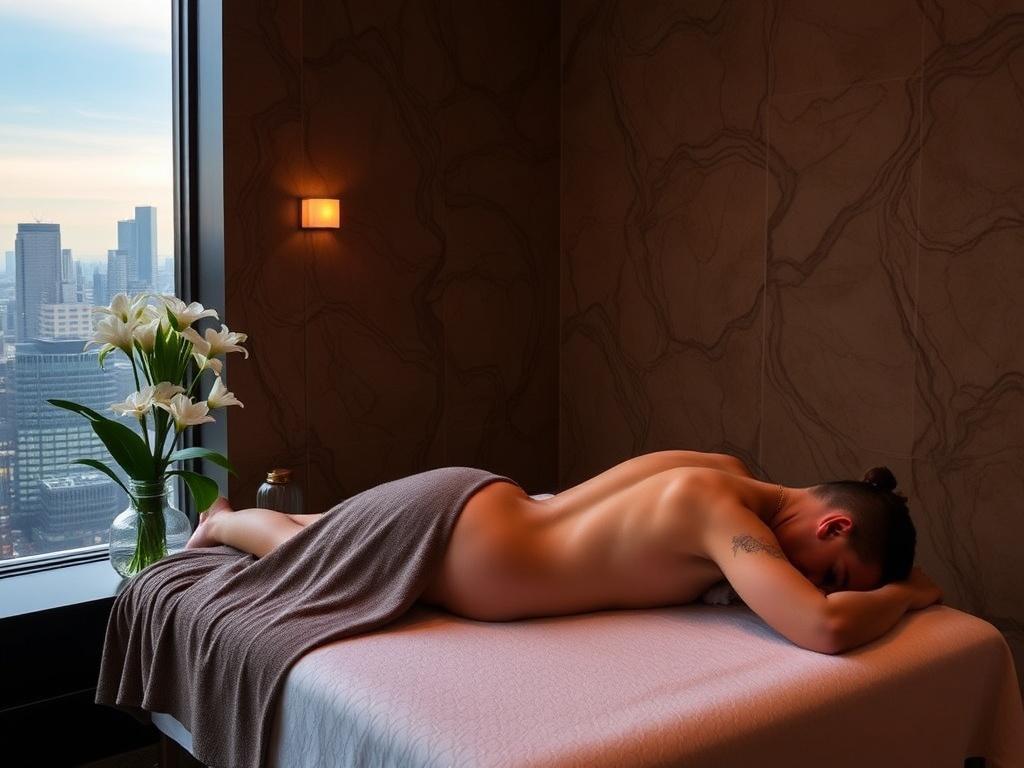

If you’re searching for a tantric massage in Manhattan, you’re likely looking for more than a simple rubdown. You want a practice that blends mindful touch, breath, and presence to reduce stress, increase body awareness, or deepen intimacy with a partner. This article explains what tantric bodywork usually involves, how it differs from other types of massage, how to choose a trustworthy practitioner in New York City, and practical tips for preparing.
I’ll walk through common questions people ask—what to expect during a session, pricing and etiquette, safety and consent, and how to spot red flags—so you can make an informed choice without awkward surprises.
What is tantric massage and how does it differ from other bodywork?
Tantric massage draws on elements from tantra, an umbrella of spiritual traditions that emphasize embodied awareness, breath control, and the conscious movement of energy. In contemporary Western practice, tantric bodywork typically combines long, attentive touch with guided breathing, meditation, and sometimes gentle movement. The goal tends to be greater presence in the body rather than a purely sexual outcome.
That said, tantric work sits on a spectrum. Some sessions are firmly therapeutic—focused on relaxation, nervous system regulation, and releasing muscular tension. Others incorporate sensual or intimate elements intended to enhance erotic awareness or partner connection. Professional practitioners make their scope and boundaries clear up front; understanding that distinction is key when you book.
Benefits people report (and realistic expectations)
People pursue tantric massage for several reasons: to calm anxiety, relieve chronic muscle tension, improve sleep, recover from emotional stress, or cultivate a stronger connection to themselves or a partner. The combination of slow, mindful touch and breath guidance can lower heart rate, reduce perceived stress, and increase interoceptive awareness—the ability to sense internal bodily states.
It’s important to be realistic. While many clients report meaningful shifts in relaxation and awareness after a session, tantric massage is not a medical cure. It complements other forms of care—therapy, medical treatment, or physical therapy—rather than replaces them. If you have a health condition, discuss it with both your healthcare provider and the practitioner before booking.
Types of tantric massage commonly offered
In Manhattan you’ll encounter a range of offerings: private one-on-one sessions, couples’ sessions, breathwork-integrated bodywork, and sensory-focused treatments. Some practices emphasize non-sexual therapeutic touch, while others offer intimate bodywork that may include explicit consent around more private areas. Always confirm the scope before you arrive.
Below is a simple table to help you compare typical formats and what they focus on.
| Type | Primary focus | Typical duration | Appropriate for |
|---|---|---|---|
| Therapeutic tantric massage | Relaxation, nervous system regulation, body awareness | 60–90 minutes | Individuals seeking stress relief or deep relaxation |
| Couples’ tantric session | Shared breathing, guided touch, intimacy work | 60–120 minutes | Partners wanting to deepen communication and presence |
| Sensory or mindfulness bodywork | Heightening sensation and inner awareness | 30–90 minutes | Those exploring sensory awareness without sexual intent |
| Integrated breath and movement | Energy flow, grounding, and somatic release | 60–120 minutes | Clients interested in combining breathwork with touch |
How to find reputable practitioners in Manhattan
Start with basic due diligence. Look for practitioners who list clear training, years of experience, and professional affiliations on their websites. Many legitimate massage therapists are licensed and carry liability insurance; details about licensing should be visible or available upon request. Reviews and referrals from trusted friends can also point you to reliable studios or independent practitioners.
Professionalism shows up in small details: a clear intake form, written consent policies, private and clean treatment rooms, and straightforward pricing. If a listing is vague about what the session will involve or tries to pressure you into additional services, consider it a warning sign and keep looking.
What to expect during a session
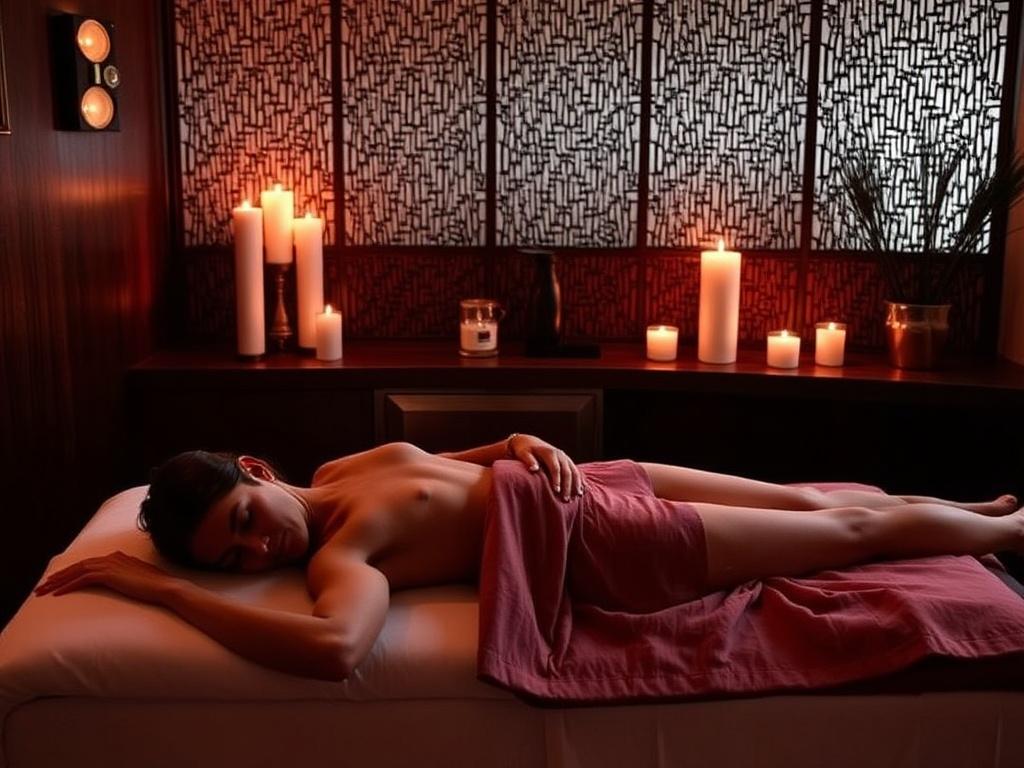
Most sessions begin with a consultation: the practitioner will ask about your goals, medical history, and any boundaries or limitations. This is your opportunity to state clearly what you want and what you do not want. An ethical practitioner will respect those limits and describe draping, contact points, and whether any intimate areas are included.
The treatment itself often features slow, sustained strokes, guided breathwork, and pauses for reflection. Draping—covering parts of the body with a sheet or towel—is standard practice and maintains dignity and comfort. After the session, there may be a brief debrief to discuss how you felt and any follow-up suggestions.
Questions to ask before you book
Asking direct questions helps ensure a comfortable experience. Useful queries include: What is your training in tantric bodywork? Are you licensed? Do you include any intimate or sexual touch in sessions? What is your consent policy? How do you handle boundaries during a session? How do you sanitize your space?
These questions are not pushy; they are practical. A reputable practitioner will answer them calmly and clearly. If answers are evasive or rushed, that’s a signal to look elsewhere.
Pricing, session length, and tipping etiquette
In Manhattan, session lengths commonly run 60, 90, or 120 minutes. Prices vary widely depending on the practitioner’s experience, the studio’s location, and the scope of services. Many practitioners post rates online; others provide them on inquiry. When in doubt, request a price list before booking so there are no surprises.
Tipping is customary in many massage settings in the U.S. If you’re satisfied with the service, 15–25% is a common range, though some clients tip more for exceptional care. Confirm whether the studio accepts cash, card, or electronic payments and whether gratuity can be added to the charge.
Safety, consent, and legal considerations
Safety and consent are non-negotiable. Manhattan practitioners operate under city and state regulations; offering sexual services in exchange for money can have legal consequences and is not the same as therapeutic tantric work. If a practitioner explicitly offers sexual acts, you should decline and consider reporting the business if you feel unsafe.
Red flags include reluctance to provide credentials, insistence on removing draping without prior agreement, or pressuring you into services you didn’t ask for. Trust your instincts. You have the right to pause or stop a session at any time, and an ethical practitioner will honor that immediately.
Preparing for a session: practical tips
Arrive a little early so you can complete intake paperwork and settle in. Showering beforehand is courteous and helps you feel fresh. Wear comfortable clothing to the appointment and eat lightly; heavy meals can make deep relaxation uncomfortable. Bring any medication information that might be relevant for safety.
Plan for gentle aftercare: some people feel deeply relaxed and prefer quiet activities afterward, while others benefit from light movement, water, and a wholesome meal. Avoid scheduling intense social commitments or rigorous exercise immediately after a session.
Manhattan neighborhoods and where people typically book
Tantric practitioners in Manhattan work out of a mix of established wellness studios and private therapy spaces. You’ll find offerings across neighborhoods—Chelsea, the West Village, Midtown, the East Village, and Tribeca all host a variety of bodywork studios. Each area has its own vibe; some studios emphasize luxury spa settings while others focus on somatic therapy in a quieter, low-key space.
When choosing a location, consider travel time and how comfortable you’ll feel in the surroundings. Proximity to transit is often a practical factor in the city, especially if you want to arrive relaxed and unhurried.
Quick checklist before booking
Use this short checklist to confirm the basics: practitioner credentials and training, explicit scope of practice and boundaries, clear pricing and cancellation policy, hygiene and sanitation practices, and a comfortable, private treatment space. If you’re booking a couples’ session, confirm whether both partners must complete intake forms and whether the practitioner has experience working with couples.
Finally, ensure you have a method to communicate during a session—most studios use verbal check-ins or a simple nonverbal cue to pause if you need to stop. Knowing how to stop the session ahead of time reduces anxiety and supports clear consent.
Frequently asked questions
Will tantric massage be sexual? Not necessarily. Many practitioners offer strictly therapeutic, non-sexual sessions. If sexual touch is part of the offering, it should be described clearly beforehand and only performed with explicit consent. Confirm the boundaries you expect before booking.
Do I need experience? No. Practitioners are used to working with beginners and will guide breath and presence techniques at a comfortable pace. Share your comfort level early and ask for gentler or more grounding approaches if you feel uncertain.
Conclusion
Tantric massage in Manhattan can be a potent tool for relaxation, increased body awareness, and intimacy when practiced by a trained, ethical practitioner. Do your homework: check credentials, ask clear questions about boundaries and techniques, and trust your instincts. With the right match, a session can offer a calmer nervous system, clearer presence, and a new way of experiencing touch—safe, respectful, and tailored to your needs.