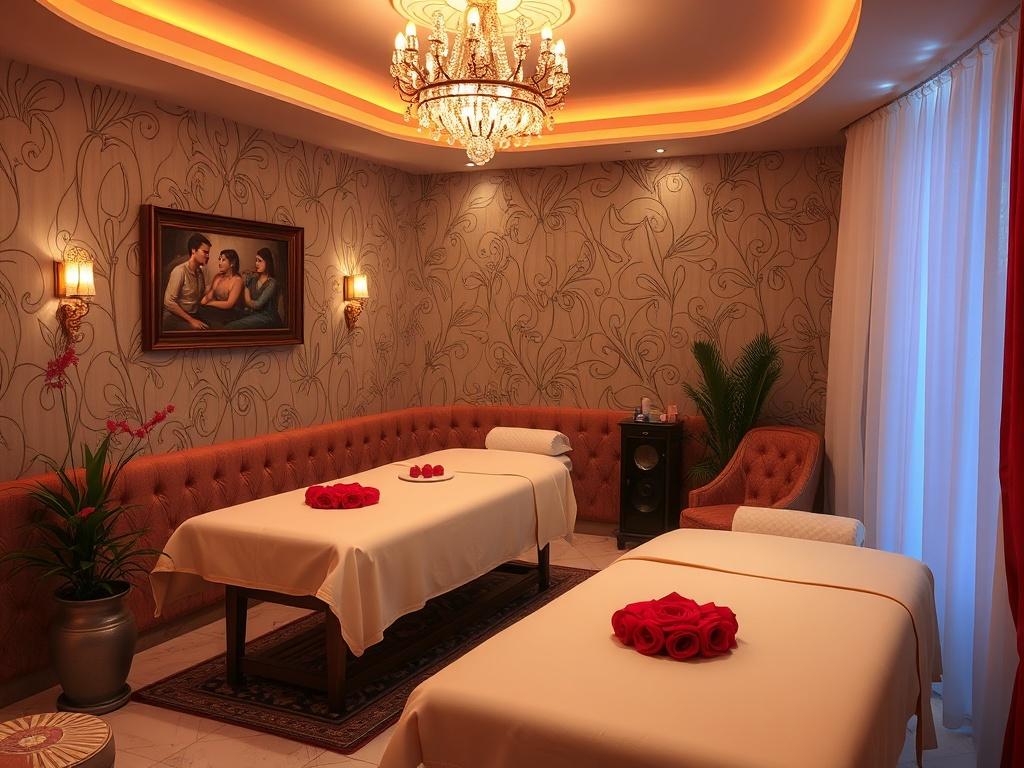

A massage parlour is more than a place to lie down and relax; it’s a service hub where touch, technique, and atmosphere combine to relieve pain, reduce stress, and improve mobility. Whether you need a short tension-melting session after a long flight or a therapeutic deep-tissue treatment for chronic tightness, a well-run parlour can deliver predictable, professional results.
People come to a massage parlour for many reasons: relaxation, injury recovery, improved athletic performance, or simply a break from the daily grind. Understanding the differences among services, what to expect during a visit, and how to spot a reputable establishment will help you get the most from your time and money.
What services and experiences massage parlours typically provide
Most parlours offer a menu of distinct treatments: Swedish for general relaxation, deep-tissue for chronic knots, sports massage for athletes, and specialty options like hot stone or aromatherapy. Many places also provide add-ons such as cupping, stretching, or targeted neck and shoulder sessions. Service menus vary widely, so reading descriptions and asking questions beforehand is useful.
Beyond the core therapy, the parlour’s atmosphere affects the outcome. Factors such as lighting, music, temperature, and the therapist’s communication style shape how comfortable you feel. Some clients prefer a clinical, quiet environment while others like soft music and scented oils. Good parlours will match the ambiance to the service and client preference.
Appointments can range from 15-minute quick fixes to 90-minute therapeutic sessions. Many parlours sell packages or monthly memberships if you plan regular visits. Consider your goals—relief from acute pain usually benefits from longer, more focused sessions, while stress relief can be effective in shorter intervals.
Common massage styles and how to choose one
Choosing a style depends on your goal and current physical condition. If you’re unsure, start with a conversation: a licensed therapist can recommend an approach that balances pressure, technique, and treatment length. Don’t hesitate to switch styles mid-session if something isn’t working—professional therapists expect feedback.
Below is a quick comparison to help you decide which treatment to try first. The table summarizes pressure level, typical duration, and primary use for each style.
| Style | Typical Pressure | Common Duration | Best for |
|---|---|---|---|
| Swedish | Light to moderate | 30–90 minutes | Relaxation, circulation, general tension |
| Deep tissue | Firm | 45–90 minutes | Chronic muscle tightness, postural issues |
| Sports | Moderate to firm | 30–90 minutes | Athletic recovery, movement prep |
| Hot stone | Light to moderate | 60–90 minutes | Deep relaxation, easing stiff muscles |
| Aromatherapy | Light to moderate | 30–90 minutes | Mood enhancement, stress reduction |
If you have medical issues—recent surgery, blood clots, certain skin conditions, or pregnancy—tell the parlour in advance. Many modalities are safe when adapted, but some require medical clearance or must be avoided entirely.
What to expect during a visit to a massage parlour
Your visit typically begins with a brief intake: medical history, current complaints, and goals for the session. This conversation helps the therapist tailor pressure, focus areas, and techniques. Honest answers about medications, injuries, and sensitivities protect your safety and improve results.
After the intake, you’ll be guided to a private room. Therapists will explain what areas they plan to work on and how to get comfortable on the table. You’ll be offered a blanket and told about draping—only the part of your body being worked on is exposed, and therapists respect your privacy at all times.
Communication during the session matters. Therapists should periodically check pressure and ask about discomfort. If pain goes beyond controlled pressure—or if you feel numbness, sharp pain, or dizziness—stop the session and inform the therapist immediately. A professionally run parlour prioritizes your feedback and adjusts accordingly.
How to choose a reputable massage parlour
Look for visible credentials and clean, transparent business practices. Licensing, certifications, and membership in professional organizations are good signals. Most regions require therapists to complete accredited training and pass health regulations; ask to see proof if you’re uncertain.
Read reviews but interpret them with context. A single critical comment doesn’t necessarily mean a problem; look for patterns. Frequent complaints about hygiene, rude staff, or pushy upsells are legitimate red flags. Conversely, consistent praise for professionalism and results is a reliable indicator.
Visit or call the parlour with a few quick questions before booking: What are your therapist qualifications? How is cleanliness maintained? Do you require prepayment or have cancellation fees? The way staff respond—courteous, transparent, and informative—often tells you more than polished advertising.
Questions to ask and warning signs to watch for
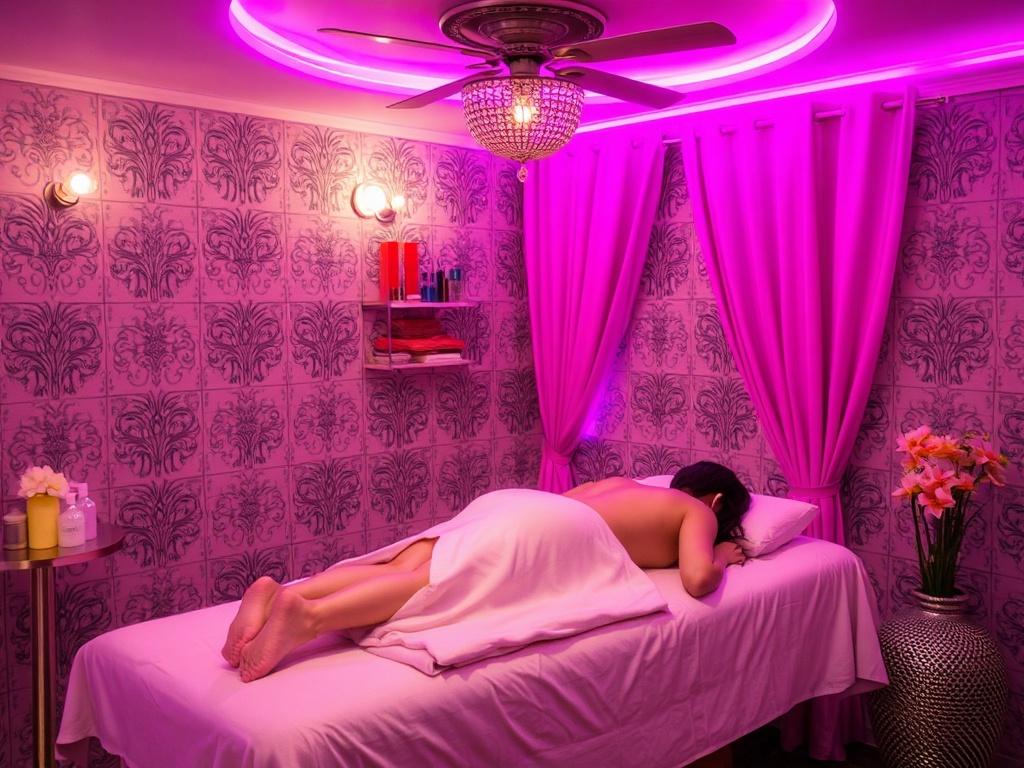
Before committing, ask these questions so you know what you’re getting:
- Are your therapists licensed or certified?
- How do you sanitize rooms and equipment between clients?
- What is your cancellation policy?
- Can you accommodate medical conditions or pregnancy?
Watch for warning signs: unclear pricing, pressure to buy packages or services on the spot, lack of visible credentials, or anything that makes you uncomfortable about boundaries. If a parlour avoids answering direct questions or offers inconsistent explanations, walk away.
Etiquette, pricing, and tipping practices
Basic etiquette keeps the experience pleasant for everyone. Arrive a little early to fill out forms and decompress. Silence your phone. If you need to reschedule, give as much notice as possible—24 hours is a common courtesy and often tied to cancellation rules.
Pricing varies by region, therapist experience, and service length. Expect to pay more for specialist therapists with advanced training. Many parlours offer tiered pricing—junior therapists cost less than senior therapists. Compare value by looking at qualifications and treatment results, not price alone.
Tipping customs differ by country. Where tipping is customary, 15–20% is typical for excellent service, and smaller amounts are fine for satisfactory experiences. If tipping isn’t the norm in your area, a positive written review and repeat business are valued alternatives.
Safety, hygiene, and therapist qualifications
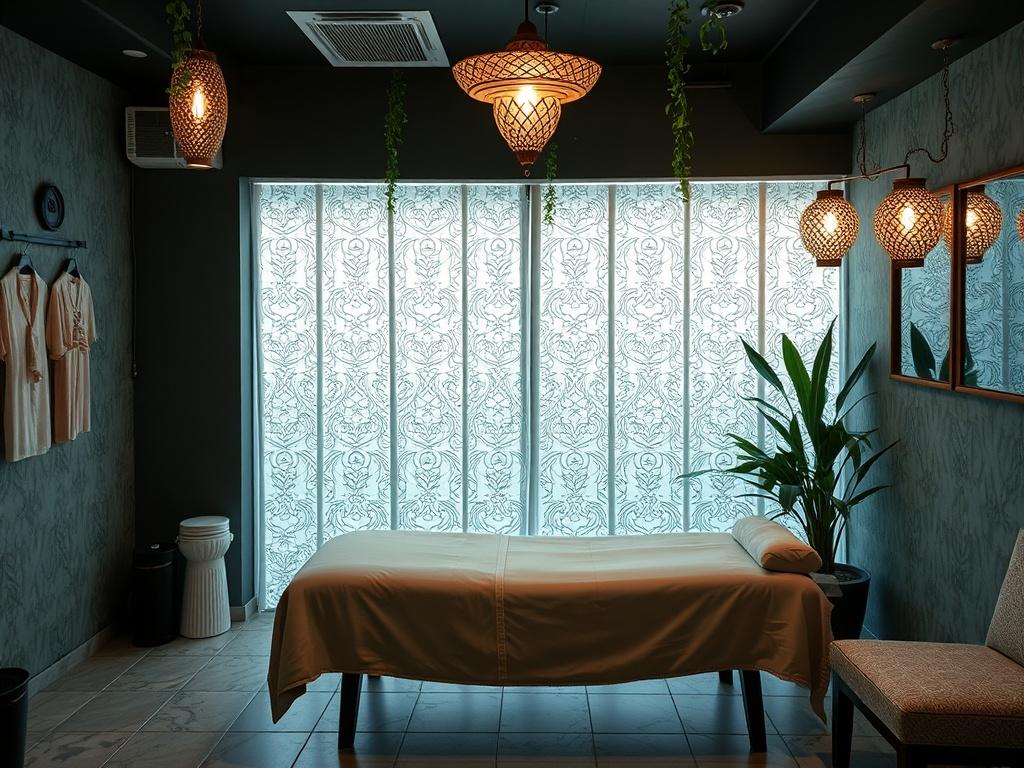
Cleanliness standards should be visible: fresh linens, disinfected surfaces, and handwashing between clients. Many parlours use single-use supplies for items like face cradle covers and disposable razors for certain treatments. If something looks questionable, ask how often they change sheets and sanitize the room.
Therapist qualifications matter for effective and safe care. A licensed therapist should know anatomy, contraindications, and how to modify techniques for special populations. Continuing education—courses in sports massage, prenatal care, or trigger-point therapy—shows an ongoing commitment to skill improvement.
Practical tips for maximizing benefit from your session
Arrive hydrated and avoid heavy meals immediately before your session. Post-massage, drink water to aid circulation and toxin clearance. Light stretching and a short walk can help maintain the benefits of the treatment for days afterward.
Be realistic about outcomes: one session can provide noticeable relief, but persistent issues often require a short course of treatments combined with self-care—home stretching, posture adjustments, or coordinated work with a physiotherapist. Use sessions strategically: plan more frequent visits during flare-ups and maintenance visits afterward.
Finally, develop open communication with your therapist. Good therapists become allies: they’ll track progress, suggest at-home strategies, and refer you to other health professionals when appropriate. A consistent relationship with the same therapist builds better outcomes over time.
Conclusion
A massage parlour can be a powerful tool for restoring balance—physically and mentally—when you choose a reputable place, communicate your needs, and follow sensible aftercare. Take time to research, ask clear questions, and treat the first visit as a conversation; with the right therapist and approach, a few well-chosen sessions will often deliver lasting, practical benefits.