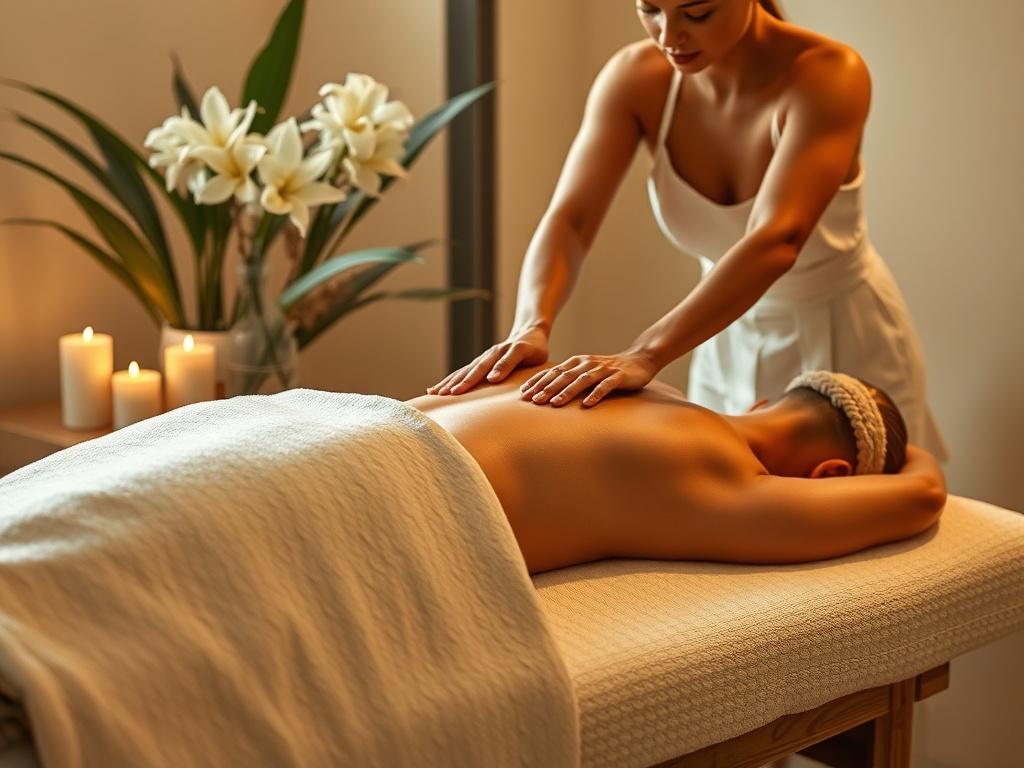

Body-to-body massage is a hands-on technique in which the practitioner uses parts of their own body—usually the torso, hips, or legs—to contact and move across the client’s body. The goal can be therapeutic relaxation, enhanced circulation, increased body awareness, or a deeply sensual experience depending on the context and the practitioner’s training. People look for this form of massage when they want something different from traditional hand-only techniques: it offers broad, warming contact and a distinct rhythm that can feel both grounding and intimate.
Because the term can cover a wide range of practices, it’s important to distinguish between professional, therapeutic forms and those that are explicitly erotic. Understanding what you want, what is offered, and what is lawful and ethical in your area will help you choose a session that is safe, respectful, and effective.
How Body-to-Body Massage Works
At its core, body-to-body massage uses greater surface area and the practitioner’s body weight to create even pressure and long, flowing movements. The practitioner might glide their chest along a client’s back, use a thigh to press and stroke a leg, or apply broad, warm contact with the forearms. These actions encourage relaxation of large muscle groups and stimulate parasympathetic nervous system responses—slowing breath and easing tension.
The sensory effect differs from fingertip work. Broad contact can reduce the intensity of localized pressure points while increasing calming, whole-body sensations. For many clients, this produces a sense of containment and ease that helps them drop into deeper relaxation than standard massage strokes might allow.
Mechanisms: Pressure, Friction, and Rhythm
Pressure in body-to-body work is distributed evenly, which can feel less invasive and more enveloping. Friction—often moderated by oils or gels—allows smooth, uninterrupted movement across the skin. Rhythm matters: steady, predictable movement encourages the nervous system to settle, while varied pacing can stimulate circulation and sensory awareness.
Practitioners trained in therapeutic modalities combine these elements deliberately, adjusting pressure and tempo in response to a client’s breathing, muscle tone, and verbal feedback. This interactive rhythm is a key reason clients report feeling both physically and emotionally soothed.
Common Techniques and Variations
Body-to-body methods vary by tradition and intent. Some sessions borrow from classical Swedish or Thai massage techniques, while others come from contemporary spa practices or specialized treatments like Japanese-inspired approaches. The techniques differ in positioning, use of lubricant, and the parts of the practitioner’s body involved.
Below are several common variations and what they emphasize.
Full-Torso Contact
Full-torso contact involves the practitioner using the chest or abdomen to create long, gliding strokes across large muscle areas like the back or thighs. It tends to create warmth and a sense of being wrapped or supported.
This technique is often employed for deep relaxation and to help clients who find concentrated pressure from hands uncomfortable.
Leg and Hip Pressure
Using the hips or thighs, the practitioner can apply rolling or sweeping pressure, particularly useful for working the gluteal and hamstring regions. These movements can release tightness from repetitive sitting or athletic activity.
Because more body weight can be applied through the hips, practitioners must be careful to modulate pressure and keep communication open with the client.
Lubricants and Special Materials
Oil, gel, or special massage lotions reduce friction and help sustain fluid movement. Some spas use warmed oil for added comfort. In certain specialty forms, like those inspired by East Asian practices, practitioners might use unguents with aromatherapeutic properties.
Hygiene and skin safety are paramount—practitioners should use hypoallergenic products and check for allergies before the session.
Benefits People Report
Clients often describe body-to-body massage as deeply relaxing and grounding. The broad contact can help reduce muscle tension, improve circulation, and enhance proprioception—the sense of where the body is in space. For people recovering from chronic stress, these sessions can provide a unique form of physical reassurance and release.
Beyond physical effects, some people report improved mood, reduced anxiety, and an increased sense of connection with their own body. When performed in a professional, non-sexual therapeutic context, it can be a powerful tool for building body awareness and reducing hypervigilance.
Safety, Consent, and Professional Boundaries
Safety and consent are non-negotiable. Because body-to-body massage involves intimate contact, clear verbal consent and ongoing communication are essential. A reputable practitioner will explain the technique, discuss boundaries, and obtain explicit permission before beginning.
Legal and ethical boundaries vary by jurisdiction. In many places, erotic or sexualized services fall outside the scope of licensed therapeutic practice. Always check local regulations and choose practitioners who operate transparently within professional standards.
Hygiene and Medical Precautions
Good hygiene practices—clean linens, freshly washed hands, and sanitized surfaces—are basic requirements. Practitioners should not perform body-to-body work if they or the client have contagious skin conditions or open wounds.
People with certain medical conditions (deep vein thrombosis, skin infections, recent surgeries, or uncontrolled hypertension) should seek medical clearance before trying this modality. Practitioners trained in massage therapy will screen for contraindications during intake.
How to Choose a Practitioner
0
Look for licensed massage therapists or bodywork professionals who list body-to-body techniques on their profiles and can describe their training. Ask about their qualifications, how they manage boundaries, and whether they provide a written consent form or clear session outline.
Good indicators include a clinical setting, transparent pricing, and positive, specific client reviews. If a practitioner hesitates to answer questions about hygiene, training, or scope of practice, consider that a red flag.
Questions to Ask Before Booking
- What is your professional training and licensing?
- Which parts of the body will be used during the session?
- How do you handle draping and client modesty?
- Are there any conditions that would make this technique inappropriate for me?
- What measures do you take to ensure hygiene and safety?
These questions help set expectations and ensure mutual comfort before the session begins.
What to Expect During a Session
A typical session begins with a short consultation and discussion of boundaries. You will be asked to undress to your comfort level; professional practitioners typically use draping to cover areas not being worked on. The therapist will explain positioning, whether they will use warmed oil or gel, and how they will apply contact.
During the massage, expect large, flowing movements and occasional pauses to check in. If you feel any discomfort, speak up—the practitioner should immediately adjust pressure or technique. After the session, many practitioners give a brief aftercare plan, such as hydration advice or gentle stretches.
Preparation, Etiquette, and Aftercare
0
Preparing well can make the session more effective. Arrive slightly early, wear comfortable clothing, and avoid heavy meals immediately beforehand. Share relevant health history and any areas of particular tension.
Post-session aftercare commonly includes drinking water, resting, and avoiding vigorous activity for a short period. Some people find a warm bath later in the day helps extend the relaxation effect.
Simple Etiquette Checklist
- Communicate health issues and consent clearly before the session.
- Follow the practitioner’s draping instructions to preserve comfort and modesty.
- Provide feedback during the session—saying “softer” or “firmer” is fine.
- Respect the practitioner’s professional boundaries and policies.
Good etiquette supports a safe, effective exchange for both client and practitioner.
Types Compared: Body-to-Body vs. Traditional Massage
| Feature | Body-to-Body Massage | Traditional (Hands-only) Massage |
|---|---|---|
| Contact surface | Large areas using torso, hips, thighs | Focused hand, forearm, and elbow contact |
| Sensation | Enveloping, warming, broadly rhythmic | Targeted, knot-focused, variable intensity |
| Best for | Deep relaxation, body awareness | Specific muscular issues, trigger points |
| Privacy considerations | Higher intimacy; strict consent needed | Lower intimacy; standard professional practice |
This comparison helps clarify which method might better suit different needs or therapeutic goals.
Risks, Contraindications, and When to Avoid It
While generally safe when performed by trained professionals, body-to-body massage carries risks for certain individuals. People with clotting disorders, recent fractures, severe osteoporosis, or uncontrolled cardiovascular conditions should avoid intense or weight-bearing contact without medical clearance.
Additionally, the increased physical intimacy of body-to-body techniques can trigger emotional responses. Practitioners should be trained to handle such situations sensitively and provide appropriate referrals if needed.
Conclusion
Body-to-body massage is a distinct form of bodywork that uses broad, intimate contact to promote relaxation, circulation, and body awareness. When provided by a trained, ethical practitioner and approached with clear consent and proper hygiene, it can be a powerful complement to traditional massage techniques. Choose a qualified therapist, communicate your needs and limits, and expect a session that emphasizes comfort, safety, and the therapeutic possibilities of whole-body touch.