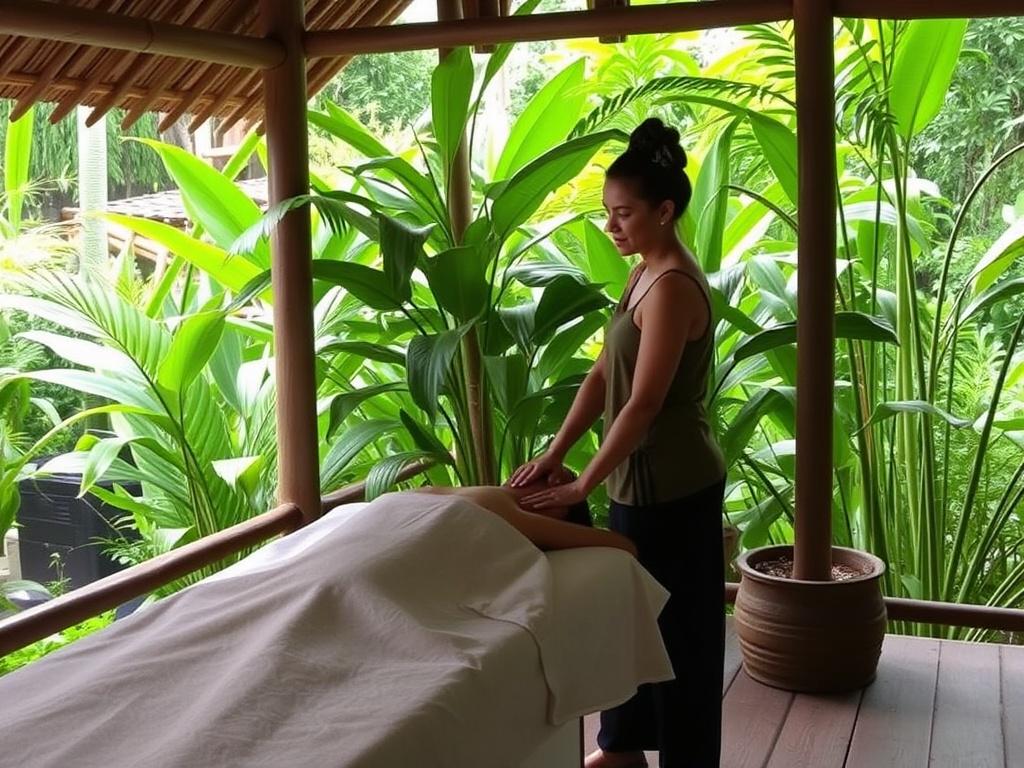

Nuru massage is available in many parts of the world, but exactly where you can find it depends on local laws, cultural norms, and the types of businesses that offer bodywork in your area. If you’re wondering whether a nuru session is an option near you, this article maps the common locations where the service appears, explains what to expect, and gives practical tips for finding reputable providers while protecting your safety and privacy.
Read on for a clear sense of where nuru massage is commonly practiced, the kinds of venues that offer it, how jurisdictions treat erotic bodywork, and how to evaluate providers so you get a legitimate, consensual experience rather than a risky encounter.
What is Nuru massage?
Nuru massage is a form of body-to-body massage that emphasizes full skin contact and the use of a slippery, water-based gel. The technique usually involves the practitioner and client both being unclothed and sliding against one another to deliver massage and sensual stimulation. The word “nuru” comes from Japanese and roughly translates to “slippery.”
Because of the body-on-body nature and the intimate contact involved, nuru is often classified differently from therapeutic massage. Some people seek it for erotic pleasure; others choose it as an alternative sensorial experience. That split in intent is important because it influences where and how the service is offered and regulated.
Where did Nuru massage originate — and how it spread
Nuru massage traces its roots to Japan, where the style and the special slippery gel were developed. From there it spread to other parts of Asia, then to Europe, North America, and beyond. As the technique traveled it adapted to local market tastes and legal frameworks, so the exact presentation varies by country and city.
In some places nuru evolved into a niche within licensed adult spas and specialty massage parlors. In others it moved into less formal settings: independent practitioners, mobile services that travel to a client’s home or hotel, and in certain cases, establishments tied to sex-work industries. That variety is why it’s important to research offerings in your locale rather than assume uniform standards.
Common regions where you’ll find nuru massage
Nuru is commonly offered in parts of East and Southeast Asia, many European capitals, major North American cities, and tourist areas where adult services are in demand. Popular tourist destinations with a large massage culture—cities in Thailand, Japan, Bali, Amsterdam, London, Los Angeles, and New York—often include nuru among the available options.
Yet availability is uneven. Smaller towns, conservative regions, or places with strict laws around erotic services will have few if any legitimate nuru providers. Even within a city, you may find a wide range: from licensed wellness spas that offer toned-down versions to specialist parlors that explicitly market erotic nuru experiences.
Typical venues and settings
Nuru massage appears in a few recurring settings. Each has different expectations, levels of professionalism, and legal oversight:
- Licensed day spas or wellness centers that include sensual treatments as part of a broader menu.
- Specialty “nuru parlors” or adult massage studios where the service is the main offering.
- Independent therapists who provide in-home or hotel sessions and operate by appointment.
- Adult entertainment businesses or escort services where nuru may be one of several erotic options.
Which setting you encounter often reflects local regulation and customer demand. Where regulations are strict, nuru is more likely to be offered discreetly by private therapists or integrated into broader wellness services.
Legal and safety considerations by location
Laws vary considerably. In some countries, erotic massage is legal and regulated within a defined framework; in others, any sexualized bodywork can fall under prostitution or public decency statutes. Local licensing agencies, municipal codes, and law enforcement determine what’s permitted.
Because legal status affects how openly providers advertise and how they operate, it also affects safety. Licensed businesses are typically subject to hygiene inspections, background checks, and business standards. Unlicensed or clandestine providers present higher risks: lack of training, unclear consent practices, and potential legal exposure for both client and provider.
| Region / Country | Typical venues | Regulatory snapshot | Typical price range (USD) |
|---|---|---|---|
| Japan | Specialty parlors, adult massage shops | Available in many urban areas; often regulated as adult services | $60–$200 |
| Southeast Asia (Thailand, Bali) | Tourist spas, private therapists, adult parlors | Varies by country and city; can be common in tourist districts | $40–$150 |
| North America (US, Canada) | Licensed spas, private therapists, mobile services | Highly variable; many cities restrict erotic services; licensing matters | $80–$300+ |
| Europe (UK, Netherlands, Germany) | Licensed adult spas, independent practitioners | Some liberal regimes (Netherlands); others restrict erotic bodywork | $60–$250 |
| Australia / New Zealand | Private services, some adult salons | Regulations depend on state/province; erotic services often monitored | $70–$220 |
How to find a reputable nuru massage provider
Start with local research and prefer providers who present clear information about what they offer. Legitimate businesses usually have a professional website or verified listings, transparent pricing, and a clear description of the service. Avoid vague ads with evasive language.
Look for markers of professionalism: licensing or business registration, reviews from verified customers, clear consent policies, and hygienic premises. If you contact a provider, ask direct questions about training, the composition of the gel used, and the session format. Reputable therapists will answer straightforwardly and welcome questions.
- Check business directories, review platforms, and local forums for recent feedback.
- Ask about credentials, infection-control practices, and whether the provider is insured.
- Avoid providers who pressure you, refuse to discuss boundaries, or demand unusual payment methods up front.
Red flags to watch for
Some signs suggest you should walk away: lack of contact information, no fixed business address if they claim to be a spa, prices that are unusually low or high without explanation, and evasive or flirtatious responses to direct questions about consent and boundaries. If a provider insists on secrecy or immediate cash-only payment without receipt, that is a cautionary sign.
Trust your instincts. If a listing seems too good to be true, or the interaction makes you uncomfortable, choose a different provider. Safety and mutual respect are non-negotiable parts of any erotic or intimate service.
What to expect during a Nuru session
Procedures vary, but a typical nuru session begins with a consultation about health, boundaries, and desired intensity. The therapist will explain the steps, confirm consent, and discuss hygiene measures. Expect clear instruction about clothing (usually none) and whether protective measures are used.
The core of the session involves the therapist applying the slippery gel to both bodies and using gliding, rubbing, and body-on-body movements. Pressure, areas of focus, and the tone (therapeutic vs. erotic) should be agreed on in advance. After the massage, there is usually time to rinse off and debrief.
- Pre-session: intake and consent discussion
- During session: body-to-body sliding using a water-soluble gel
- Post-session: shower or wipe-down and payment/feedback
Etiquette, consent and hygiene
Consent is the cornerstone. Before a session begins, clarify what is and isn’t allowed. Establishing safe words or nonverbal signals is a good practice if either person prefers. Mutual respect of boundaries should be maintained throughout.
Hygiene is also essential. Reputable providers use fresh sheets or disposable covers, clean towels, and single-use or properly sanitized tubs. The gel should be water-soluble and easy to rinse off. If you have skin sensitivities, ask about ingredients and consider doing a small patch test beforehand.
Practical tips for first-timers
Communicate clearly about expectations and limits. Arrive clean and relaxed, avoid heavy meals and alcohol beforehand, and confirm whether a shower is provided. Bring a form of ID if the provider requires it for booking, and use a safe payment method that provides a receipt if possible.
Never feel pressured to do anything that makes you uncomfortable. If consent is violated or the situation becomes unsafe, leave immediately and report the incident to local authorities or consumer protection bodies if appropriate.
Alternatives and related therapies
If you can’t find a reputable nuru provider in your area, or if it’s legally restricted, consider alternatives that offer sensual or deeply relaxing bodywork without the same level of intimacy. Options include tantric massage, couples’ massage workshops, bodywork classes, and standard Swedish or deep-tissue massage with a focus on relaxation.
Some wellness centers offer modified body-contour treatments that capture the sensory aspect of nuru—warm oils, full-body contact within professional boundaries, and gentle, flowing techniques—while remaining within the framework of local regulations.
Conclusion
Nuru massage is available in many parts of the world but its presence and presentation depend heavily on local laws, cultural norms, and the business environment. To find a safe, reputable experience, do your research: choose licensed or clearly professional providers, ask direct questions about hygiene and consent, and trust your instincts. Whether you seek erotic pleasure or a novel sensorial experience, well-informed choices matter for both safety and enjoyment.