
If you’ve searched for “rub and tug Brooklyn NY,” you’re probably trying to understand what that phrase means, whether it’s legal, and how to protect yourself or your neighborhood. This article explains the term in plain language, outlines the legal and safety issues involved, and offers practical alternatives and next steps for residents, clients, and policy-minded readers.
What “Rub and Tug” Means and Where the Phrase Comes From
“Rub and tug” is slang for a massage parlor or establishment that offers sexual services in addition to, or instead of, legitimate therapeutic massage. The phrase is informal but widely used by police, journalists, and community groups to describe businesses that traffic in illegal sexual activity, often under the cover of a spa, nail salon, or massage clinic.
Understanding the term matters because it helps separate legitimate bodywork professionals from operations that exploit workers, evade taxes and licensing requirements, and put clients and neighbors at risk. The line between a lawful massage business and an illicit operation can sometimes be subtle, which is why knowledge and careful judgment are useful.
Legal Context in Brooklyn and New York State
In New York State, commercial sexual activity that involves prostitution, trafficking, or solicitation is illegal. Legitimate massage therapists must follow licensing rules, sanitary standards, and zoning laws. Municipalities like New York City also regulate where certain businesses can operate and require permits, inspections, and posted information regarding therapists’ credentials.
Enforcement varies. Police may raid premises suspected of offering illegal services, and state agencies sometimes investigate licensing or health-code violations. Criminal charges can affect owners, employees, and occasionally clients, depending on circumstances and local enforcement priorities. Beyond criminal law, civil remedies such as fines or business closures can be applied for licensing or public-health infractions.
Why Enforcement Can Be Complex
Cases involving sex work often intersect with immigration, human trafficking, and labor violations. Some people providing sexual services may be victims of coercion or exploitation. As a result, law enforcement actions can require coordination with social services, prosecutors, and victim advocates. That complexity affects how communities respond and how victims are protected.
How to Recognize a Potentially Illicit Operation
It’s tempting to want a quick checklist for spotting a “rub and tug,” but no single sign proves illegal activity. There are, however, patterns that frequently appear. Spotting several together is more indicative of a problem than any one item alone.
- Limited or no posted licensing, qualifications, or business information in plain view.
- Hours that extend late into the night with frequent last-minute booking options.
- A website or ads that use euphemistic language, inconsistent pricing, or promises that sound sexual without directly stating so.
- Physical cues such as locked doors with secrecy-oriented entry procedures, minimal equipment for massage therapy, or rooms lacking proper sanitary supplies.
- High turnover of staff or repeated changes of business name and location, which can indicate attempts to evade scrutiny.
If you live or work nearby and these signs are present repeatedly, the situation may merit reporting to local authorities or community boards. That said, it’s important not to assume guilt based on appearance alone; many legitimate small businesses may seem informal but operate legally.
Safety and Legal Considerations for Clients and Neighbors
If you are a client seeking massage services, prioritize licensed establishments. Licensed therapists typically display credentials, use appropriate therapeutic language, and follow sanitary and professional standards. Reputable clinics belong to professional associations, publish clear service lists, and accept traceable payments like credit cards.
For neighbors, safety concerns include public nuisance, noise, human trafficking, and illegal activity that can affect property values and community well-being. Reporting suspicious activity can help, but channel your report through appropriate agencies—local police for criminal concerns, public health departments for sanitary or licensing issues, and human trafficking hotlines if exploitation is suspected.
What Not to Do
Avoid approaching or confronting staff or clients directly about suspected illegal activity; that can be dangerous and may compromise investigations. Do not attempt to gather evidence that requires trespassing or could place you in legal jeopardy. Instead, document observations factually—dates, times, license plate numbers—and report through official channels.
Resources and Reporting Options in Brooklyn
Brooklyn residents have several points of contact depending on the nature of the concern:
- Local precincts of the New York Police Department for immediate criminal activity or safety threats.
- The NYC Department of Health and Mental Hygiene for sanitation and unlicensed service complaints.
- Human trafficking hotlines (national and state) if you suspect coercion or exploitation of workers.
- Community boards and local elected officials for zoning complaints or persistent neighborhood issues.
When contacting authorities, provide objective details and avoid assumptions. If a person involved appears to be a victim, emphasize that in your report—victim-centered responses often secure better outcomes than punitive measures alone.
Alternatives: How to Find Legitimate Massage Services in Brooklyn

If your goal is therapeutic or relaxation massage, Brooklyn offers many licensed professionals. Look for the following to ensure you’re choosing a legitimate provider:
- Visible licenses or certifications and membership in professional associations.
- Clear treatment descriptions—deep tissue, Swedish, sports massage—rather than vague or suggestive promises.
- A clean, well-equipped treatment space with appropriate towels, tables, and hygiene practices.
- Transparent pricing, online reviews from verified users, and an established local presence.
Booking through recognized platforms, referrals from healthcare providers, or local business directories reduces the risk of encountering an illicit operation. If you want help vetting providers, community health centers and physical therapists can often recommend qualified practitioners.
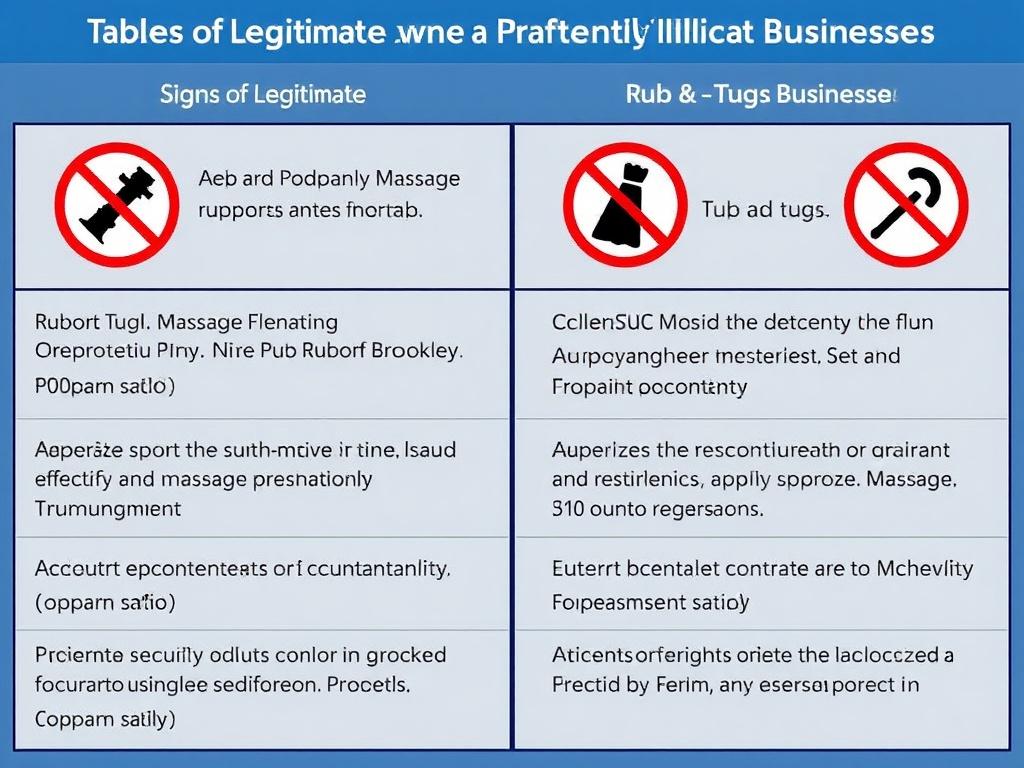
Table: Signs of Legitimate vs. Potentially Illicit Massage Businesses
| Aspect | Legitimate Massage Business | Potentially Illicit Operation |
|---|---|---|
| Licensing & Credentials | Posted licenses, certification, professional memberships | No visible credentials or ambiguous qualifications |
| Service Descriptions | Clear therapeutic terminology and treatment goals | Euphemistic language, vague or sexual insinuations |
| Sales & Payment | Credit cards accepted, printed receipts | Cash-only transactions, inconsistent pricing |
| Facility & Hygiene | Appropriate equipment, clean linens, sanitary supplies | Minimal equipment, poor sanitary conditions |
| Hours & Booking | Regular business hours, professional booking systems | Late-night focused hours, last-minute appointments |
Community Approaches and Solutions
Addressing rub-and-tug operations effectively requires coordinated strategies. Law enforcement alone is often insufficient; sustainable solutions combine enforcement with social services, public health responses, and economic development.
Community groups can advocate for targeted inspections, improved zoning enforcement, and outreach programs that provide alternative employment, legal assistance, and exit support for people trapped in exploitative situations. Educating neighbors about what to report and how to do it safely improves collective outcomes.
Frequently Asked Questions (Brief Answers)
Can a client be arrested for visiting an illicit massage parlor in Brooklyn?
It depends on the situation and local enforcement. Solicitation or participation in commercial sex can carry legal consequences. If you are concerned about legal risk, choose licensed providers and avoid establishments that appear suspicious.
How can I report suspected human trafficking discreetly?
Use national hotlines or local victim services hotlines, many of which accept anonymous tips. If someone appears to be in immediate danger, call 911 and clearly state your concerns about trafficking or coercion.
Are there legitimate massage training programs in Brooklyn?
Yes. Accredited schools and recognized certification programs teach therapeutic techniques, ethics, and hygiene standards. Graduates who practice clinically typically display their credentials proudly and adhere to professional codes.
Conclusion
“Rub and tug” refers to illegal operations that complicate public safety, public health, and labor rights in Brooklyn; understanding the difference between illicit and legitimate massage businesses helps protect clients, workers, and neighborhoods. If you suspect illegal activity, document facts, avoid confrontation, and report through appropriate channels—while choosing licensed providers for your own therapeutic needs.