

The phrase “happy ending massage” usually points to one thing: a massage that ends with sexual contact. People look the term up for a variety of reasons — curiosity, concern, or because they’ve encountered the offer in real life. Understanding what the term implies, the legal and safety issues around it, and how to find legitimate therapeutic services will help you make informed choices and avoid trouble.
This article explains the background of the phrase, how it differs from licensed bodywork, the health and legal implications, and practical steps to take if you encounter or are offered such a service. The tone here is factual and practical: not judgmental, not erotic, just clear information you can use.
What people usually mean by “happy ending” in a massage context
When someone refers to a “happy ending,” they are generally talking about a massage session that concludes with sexual contact intended to produce sexual release. This usage is common in casual conversations and popular culture, which is why the term has a strong, immediate meaning for many readers.
It’s important to separate that colloquial meaning from licensed therapeutic practice. Legitimate massage therapy — what you get from a registered massage therapist in a clinic or spa — focuses on muscle, circulation, and rehabilitation, and explicitly forbids sexual contact. The overlap in terminology can create confusion, which is why clarity matters: “happy ending” signals sexual activity rather than professional therapy.
Legal and ethical considerations
The legality of offering or receiving sexual services during a massage varies by jurisdiction. In many places, sexual contact in a commercial setting is treated as prostitution, solicitation, or a related offense; in others, different laws or enforcement practices apply. Because the rules differ so widely, the safest advice is to assume that such activity may be illegal unless you have clear local information to the contrary.
Beyond statutory law, there are ethical concerns. Sexual activity in a professional therapeutic environment breaches codes of conduct for health practitioners, undermines client safety and trust, and can harm therapists’ careers. There is also a serious risk of exploitation: some operations that advertise sexual services are linked to human trafficking and coercion, which raises profound moral and legal problems for anyone involved.
Health and safety risks
Any sexual contact with a non-monogamous, non-screened partner carries potential health risks, including sexually transmitted infections (STIs). A commercial environment that offers sexual services often lacks the health screening and informed-consent practices found in regulated health care settings.
There are also non-medical safety concerns. Participating in or soliciting sexual services can expose you to criminal charges, fines, or public embarrassment. For the provider, the consequences can include license revocation, arrest, or being coerced into unsafe situations. Recognizing those risks helps explain why many people choose to avoid such offers altogether.
How to recognize legitimate therapeutic massage
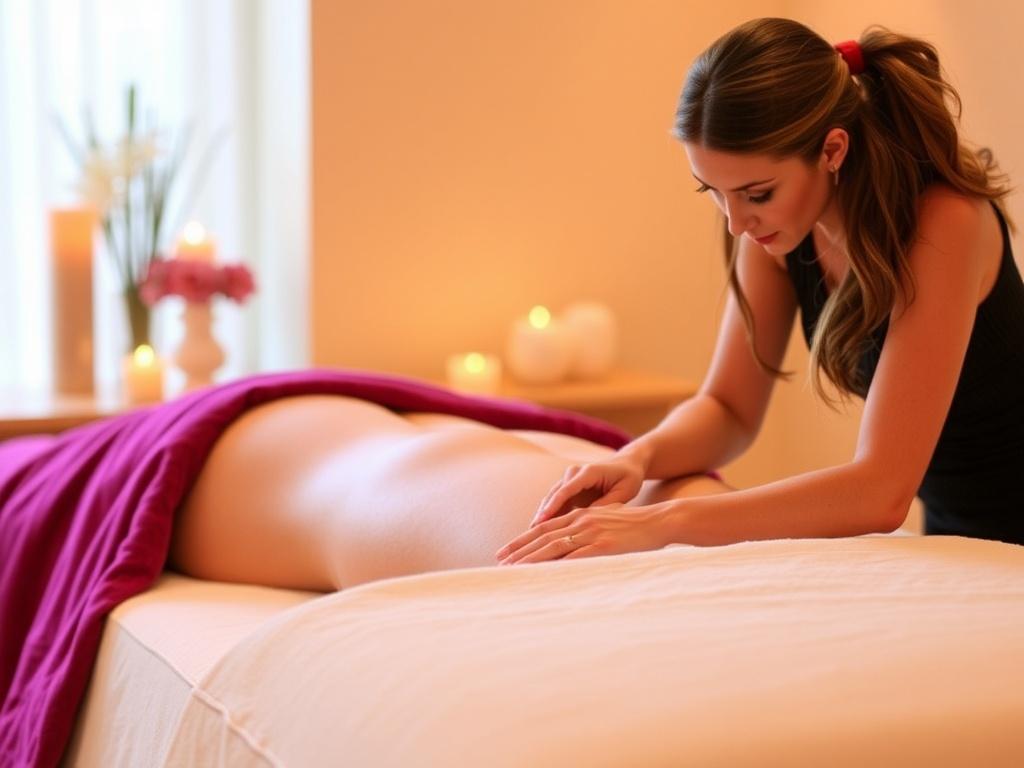
Licensed massage therapists and reputable clinics make their professional status obvious. Look for visible credentials such as a business license, therapist certifications, or membership in a recognized professional association. A clear website with treatment descriptions, posted prices, and a formal intake or medical-history form indicates a business oriented toward health and wellness.
Professional settings also maintain clear boundaries: treatments are offered on a scheduled basis, rooms have appropriate privacy but not secrecy, and there is a written consent or treatment plan. Therapists will explain which areas they will work on and will ask about medical conditions. If the conversation veers toward sexual topics or the pricing is vague, those are red flags that the service may not be a regulated therapeutic practice.
What to do if you’re offered a sexual service at a spa or salon
If you are approached with an offer of sexual services during a massage, respond calmly and firmly. You can decline and leave without escalating the situation. If you feel unsafe, remove yourself from the immediate area and go to a public place. Avoid engaging in bargaining or negotiation; that can complicate your legal exposure.
If the offer comes from staff at a legitimate business, consider telling management and documenting what happened (time, names, description). If you suspect coercion or human trafficking — for example, if the provider seems fearful or controlled — report the situation to local law enforcement or an organization that handles trafficking concerns. Your safety and the safety of others is the priority.
Checklist for choosing a reputable massage provider
Use this quick checklist before booking or walking into a massage studio. It’s intended to help you spot professional services and avoid problematic offers.
- Confirm credentials: state or national license numbers, posted certifications, professional association memberships.
- Look for clear pricing and written intake forms — no vague “special packages.”
- Check where the business is located: reputable clinics are not tucked away in unmarked rooms or residential basements.
- Read reviews from multiple sources; watch for consistent complaints about “offers” or “extras.”
- Trust your instincts: if anything feels off, leave and choose another provider.
Following these steps reduces the chance of encountering illicit or unsafe situations and increases the likelihood of receiving effective, therapeutic care.
Quick facts table
The table below summarizes key differences between regulated massage therapy and commercial offers that include sexual services. It’s a general guide rather than a definitive legal reference.
| Aspect | Licensed therapeutic massage | Unregulated/sexual-service offers |
|---|---|---|
| Primary goal | Health, pain relief, rehabilitation | Sexual gratification or commercial exchange |
| Visible credentials | Yes: licenses, certifications, clinic affiliation | Often absent or misleading |
| Business transparency | Clear pricing, written intake, formal policies | Vague pricing, hidden “extras,” secretive locations |
| Legal/ethical standing | Regulated, bound by professional codes | Often illegal or ethically problematic |
| Safety practices | Sanitation, confidentiality, health screening | Variable; health risks and exploitation possible |
Alternatives and ethical ways to meet intimate needs
If the appeal of a “happy ending” comes from a desire for physical intimacy, there are safer and more ethical routes. Open communication with a partner about physical needs and boundaries can lead to mutually satisfying solutions without legal or health risks. Couples therapy or sex therapy can also help when intimacy issues stem from emotional or relational problems.
Where commercial sexual services are legal and regulated, they should still be approached with caution: prioritize services that operate transparently, respect consent, and follow public-health guidance. Another option is seeking licensed professionals who provide non-sexual therapeutic modalities focused on comfort and closeness — breathwork, guided relaxation, and certain forms of somatic therapy can increase bodily awareness and reduce stress without crossing professional boundaries.
Practical tips if you want a legitimate massage experience
Book through established channels: clinic websites, local health directories, or recommendations from medical professionals. Ask about the therapist’s qualifications and treatment approach before the appointment. Arrive a few minutes early to read any intake paperwork and to discuss concerns or contraindications.
During the session, expect clear communication about what will happen and why. A professional therapist will obtain consent for touching specific areas and will offer draping (covering sensitive areas with sheets) as a standard safety and privacy practice. If anything feels intrusive, say so and stop the session — you are entitled to set boundaries at any time.
Conclusion

A “happy ending” in the context of massage typically refers to sexual contact that is not part of legitimate therapeutic practice; it carries legal, health, and ethical risks for both clients and providers. To protect yourself, choose licensed practitioners, look for transparent business practices, and decline any offers that cross professional boundaries. If you encounter coercion or trafficking, report it to the appropriate authorities; if your needs are about intimacy rather than therapy, consider ethical, legal alternatives such as open communication, relationship counseling, or regulated services where permitted.