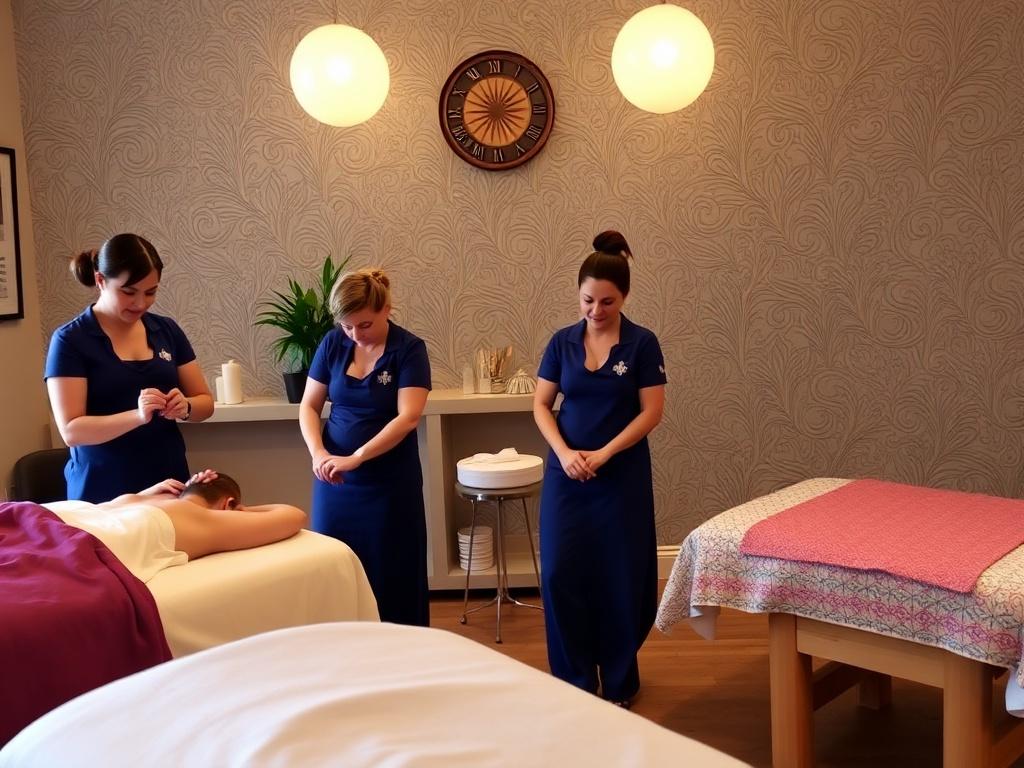

A «massage queen» is more than a nickname. It’s a label people give to therapists who consistently deliver skilled, intuitive, and deeply restorative treatments. Whether you’re searching for nightly relief, recovery after a sports injury, or a luxurious escape, understanding what makes a therapist exceptional helps you find—and become—someone who elevates the entire experience.
This article walks through the traits of top therapists, the types of massage they master, how to choose one near you, what to expect in a session, etiquette and pricing, training routes for practitioners, and simple at-home techniques to keep results lasting. Read on and you’ll leave with practical steps and confidence, whether you’re booking or building a career in bodywork.
Who are «massage queens» and why the phrase matters
«Massage queens» are professionals (and sometimes gifted amateurs) known for precision, presence, and consistent client outcomes. They combine technical training with a finely tuned sense of timing and pressure, and they read bodies in a way that feels intuitively right. Most importantly, they prioritize safety and long-term well-being over a quick feel-good moment.
Clients often describe these therapists as calm, focused, and deeply attentive. That focus shows in subtle ways: clear intake conversations, customized treatment plans, smooth transitions between techniques, and communication that balances silence with helpful guidance. In short, a «massage queen» turns a treatment into a predictable, trust-building experience.
Key characteristics that set them apart
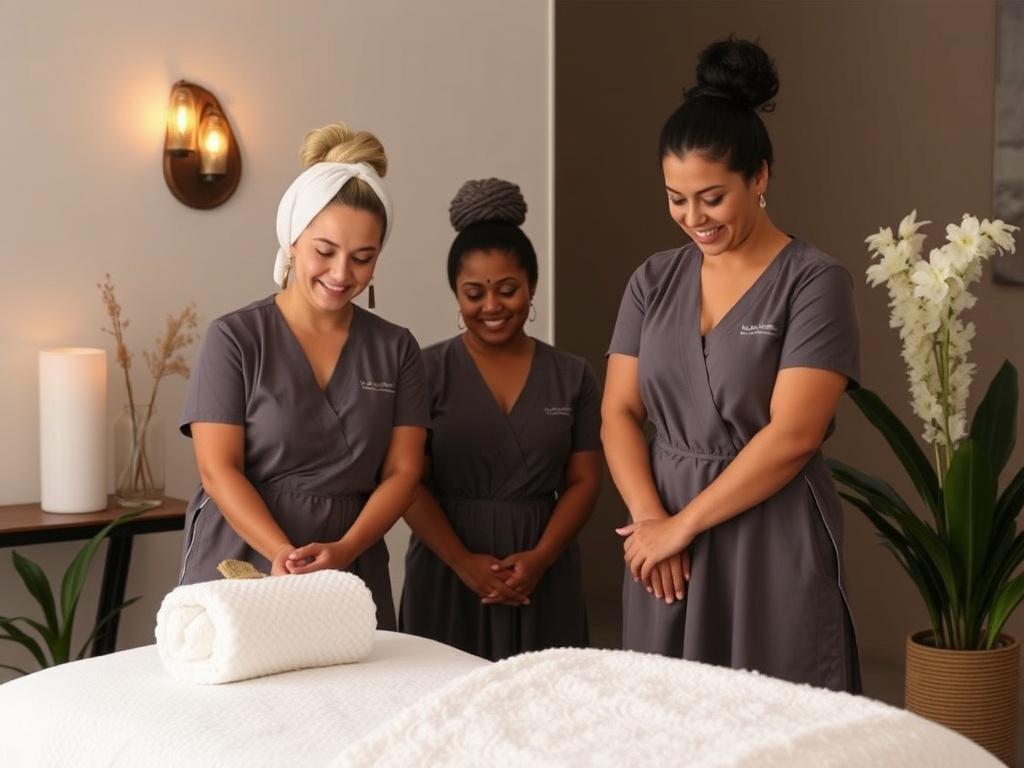
Technical proficiency: They know anatomy, physiology, and effective techniques for specific conditions.
Communication: They ask the right questions before the table and check in during the session.
Intuition: They sense what a body needs without forcing a preconceived routine.
Ethics and boundaries: They maintain professionalism and prioritize client consent and comfort.
Continuing education: They invest in ongoing learning—new modalities, refresher anatomy courses, and soft skills.
Beyond these traits, many top therapists have memorable touches: considered music choices, impeccable table setup, or small aftercare recommendations that extend the benefits of a session.
Types of massage mastery to look for
Not every therapist needs to be an expert in all modalities, but knowing which style suits your needs helps you pick the right «queen» for the job.
• Swedish massage — gentle, rhythmical strokes for relaxation and circulation.
• Deep tissue — slow, firm pressure focused on chronic muscle tension and adhesions.
• Sports massage — targeted work before or after athletic activity, often faster-paced and functional.
• Myofascial release — gentle, sustained pressure to ease connective tissue restrictions.
• Trigger point therapy — focused pressure on hyperirritable spots that refer pain.
• Lymphatic drainage — light, specialized strokes to reduce swelling and support detoxification.
A skilled therapist will combine elements as needed. For example, a session might begin with Swedish strokes to warm tissues, shift into deep work on problem areas, then finish with gentle mobilization. The hallmark is customization rather than a rote sequence.
How to find a massage queen near you
Finding someone exceptional is a mix of research, trial, and clear communication. Start with recommendations, then narrow down using a few smart checks.
• Ask trusted friends, colleagues, or local fitness pros for names.
• Read recent online reviews—look for consistency in praise about technique, professionalism, and results.
• Check credentials: state licensure, school attended, and specialty certifications.
• Call or message the therapist or spa—ask how they’d approach your specific complaint or goal. A thoughtful answer signals attentiveness.
When you book, choose an initial session that allows time to explain your history. If possible, book a 90-minute opening appointment; it gives both you and the therapist space to assess and treat effectively. Expect a few visits to dial in the best approach—consistency often reveals who truly knows what they’re doing.
Red flags to avoid
Unwillingness to discuss medical history or pain patterns.
Pressure to skip professional boundaries or accept inappropriate touch.
Lack of transparency on pricing, cancellation policy, or required paperwork.
Poor hygiene, cluttered workspace, or rushed sessions.
Trust your instincts: if something feels off before or during the session, it’s okay to stop or leave.
What to expect during a top-tier session
An outstanding session is structured but flexible. It usually follows a simple rhythm: intake, warm-up, focused work, and closure.
Intake: A good therapist briefly reviews your medical history, asks about pain locations and prior treatments, and clarifies pressure preferences and goals. This is also the moment to mention any allergies, recent injuries, or surgeries.
Warm-up: Expect lighter strokes or movement techniques that increase circulation and prepare tissues. This protects deeper work from causing unnecessary soreness.
Focused work: The therapist applies techniques tailored to your needs—targeting tight muscle groups, releasing trigger points, or mobilizing joints. A top therapist checks in periodically to adjust pressure.
Closure and aftercare: They finish with calming strokes, suggest stretches or icing/warmth depending on the work, and may offer a plan for follow-ups. Good therapists document what they did and why.
How to communicate during the session
Speak up if pressure is too much or too little. Use simple phrases like «a touch firmer» or «softer, please.» If a technique causes sharp or burning pain, tell the therapist immediately—diffuse pain is a warning sign.
Etiquette, pricing, and tipping
Etiquette keeps sessions effective and comfortable for everyone. Arrive 10–15 minutes early for intake forms. Wear whatever makes you comfortable; therapists will guide which parts need to be undressed for treatment and how draping is used. Silence is fine—many clients prefer it—but conversation is welcome if mutually desired.
Pricing varies by location, experience, and session length. Expect higher rates from therapists with advanced certifications or those working in high-cost urban areas. Ask about cancellation policies up front.
Tipping is customary in many places: 15–20% is common in the U.S., though local customs differ. If you’re unsure, ask the therapist or check the spa’s policy. When in doubt, a thoughtful review and referral are also valuable ways to show appreciation.
Training and business tips for aspiring massage queens
Becoming a standout therapist combines solid clinical education with people skills and business savvy.
Education and licensing: Complete an accredited massage therapy program and meet your state or country’s licensure requirements. Invest time in anatomy and hands-on practice—the more hours you log under supervision, the more confident you’ll be.
Continuing education: Take workshops in modalities that interest you, but focus on depth over breadth. A few well-honed specialties (e.g., orthopedic massage, myofascial work, or pregnancy massage) often serve clients better than surface-level knowledge of many techniques.
Client relations: Learn intake interview techniques, record-keeping, and follow-up strategies. Small touches—timely appointment reminders, personalized aftercare emails, or a short progress note—build loyalty.
Business basics: Pricing, insurance billing (if applicable), marketing, and scheduling systems matter. Track outcomes and ask for feedback. Word-of-mouth from satisfied clients is the fastest way to grow a steady clientele.
Quick comparison of common training paths
Therapists come to the table through different routes. Here’s a simple comparison to help aspiring practitioners choose.
| Path | Typical Length | Strengths | Considerations |
|——|—————-|————|—————-|
| Community college program | 6–12 months | Rigorous curriculum, clinical hours | Cost and schedule vary |
| Private massage school | 6–18 months | Practical focus, hands-on practice | Quality varies—research accreditations |
| Apprenticeship/mentorship | 6–24 months | Real-world hours, personalized coaching | Less formal, may lack standardized accreditation |
| Continuing education series | Varies | Deep specialty knowledge | Best as a supplement, not primary training |
Note: Table uses concise comparisons—verify local licensing rules before choosing a path.
Simple self-care moves and tools to extend session benefits
You don’t need to be on a table every week to maintain progress. Small, consistent practices prolong results.
• Gentle daily stretching targeting problem areas (neck, chest, hips).
• Foam rolling for large muscle groups—use slow, deliberate movements.
• Heat or cold as recommended—heat before activity, ice after intense work when inflammation is present.
• A handheld massage tool or therapy ball for focused relief—avoid using excessive force on bony areas.
• Hydration and rest—soft tissues respond better when the body isn’t dehydrated or overtired.
A «massage queen» will often give two or three simple takeaways you can do at home—short, practical, and repeatable.
Common questions clients ask
How often should I get a massage? That depends on goals. Acute pain or rehabilitation may require weekly visits; maintenance for general well-being often works on a monthly cadence.
Will massage worsen injuries? A well-trained therapist adapts technique to avoid aggravating injuries. Always disclose full medical history.
Can I combine massage with other therapies? Yes—physical therapy, chiropractic care, and massage often complement each other when coordinated.
Conclusion
Finding or becoming a «massage queen» is about blending skill, presence, and thoughtful care. Look for therapists who listen, adapt, and follow through with useful aftercare; if you’re training, focus on solid education, targeted specialties, and client communication. With a little research and clear communication, you can turn massage into a reliable tool for recovery, performance, and lasting comfort.